Align verbal, visual and written language
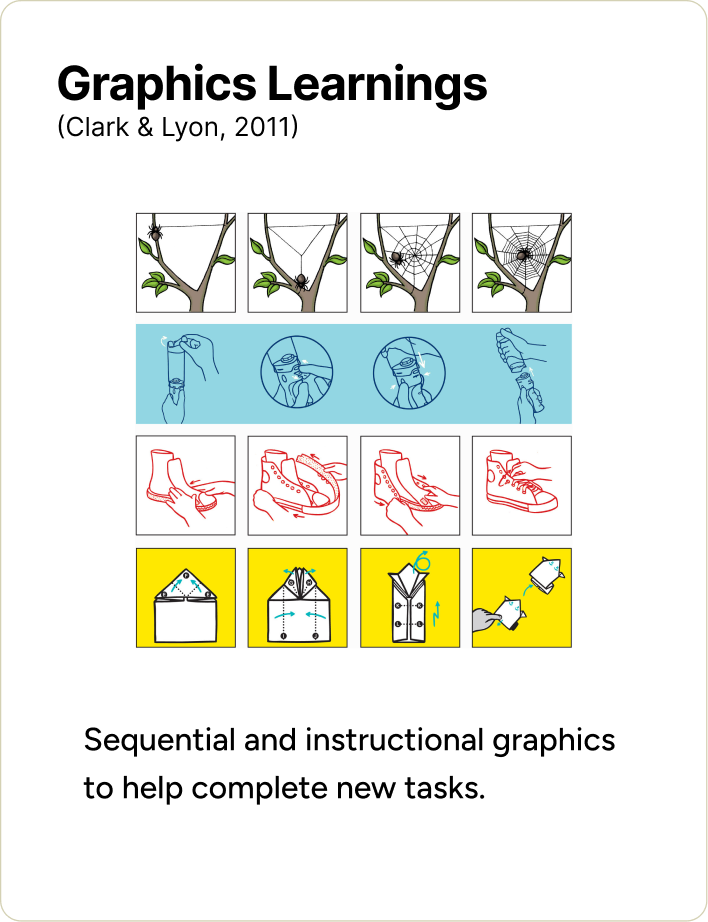
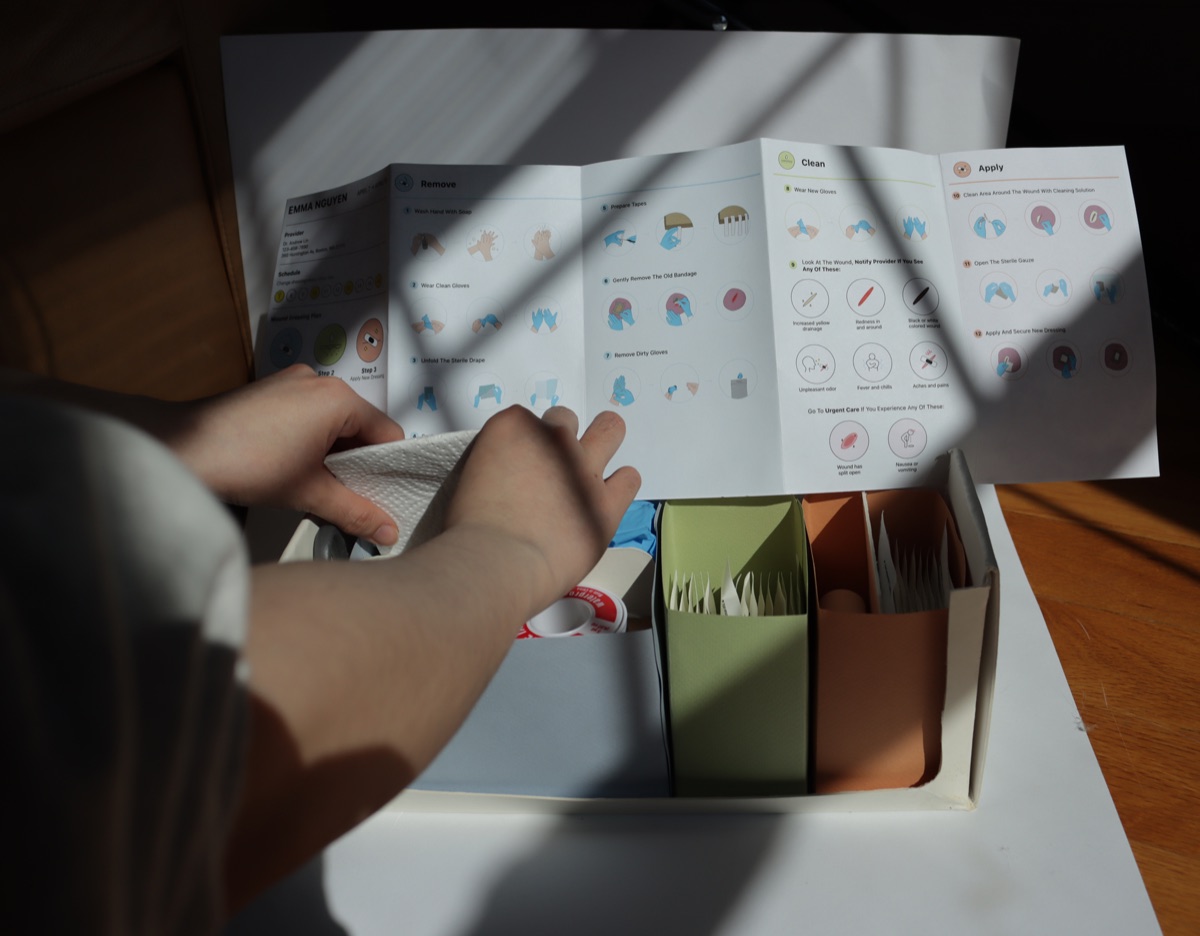
→ For every step, there should be one instructional visual guide. Visual guide acts as live demonstration for practitioners to instruct patients.
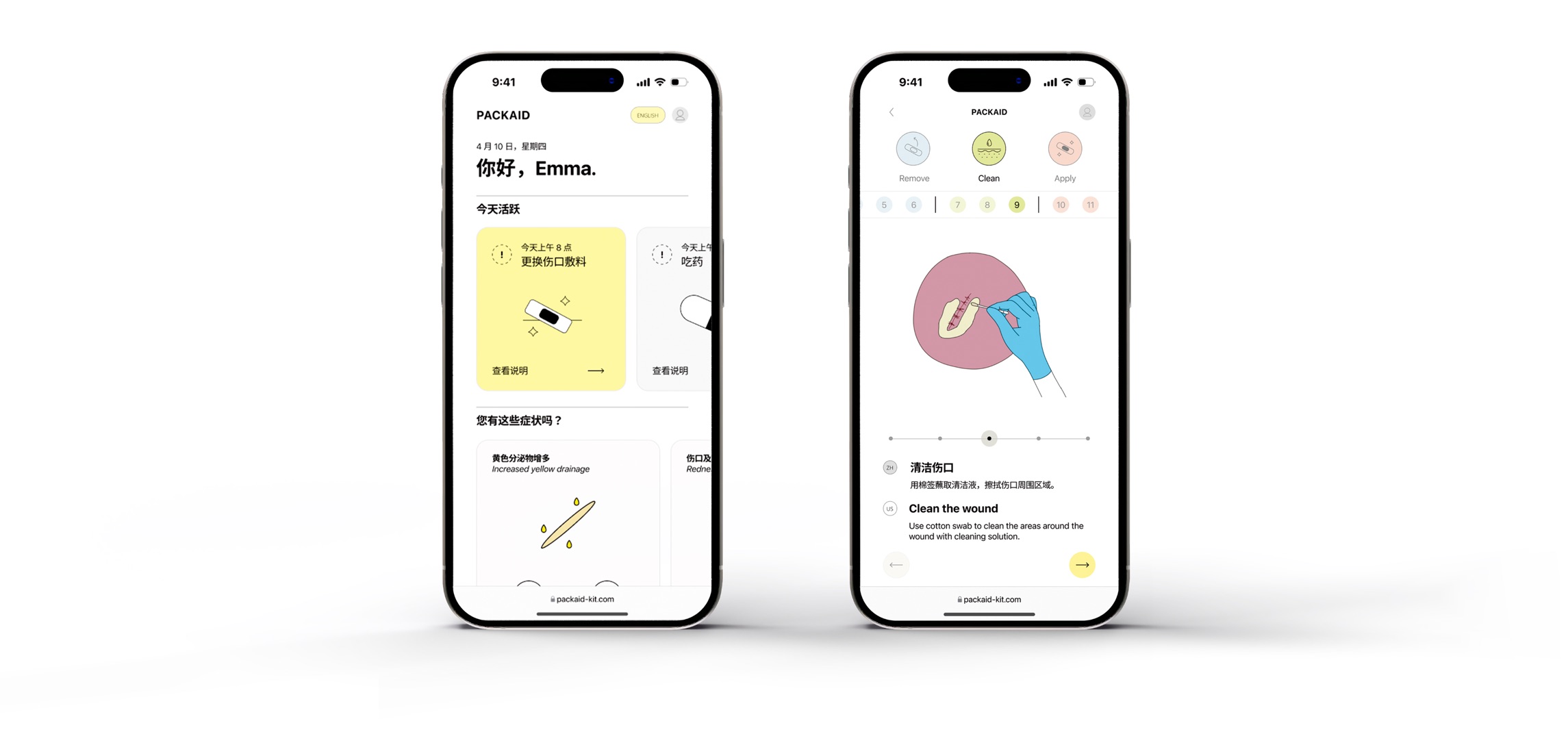
Redesigning discharge instructions for patients with limited English proficiency (LEP)
Role
Advisors
Skills
Tools
TL;DR
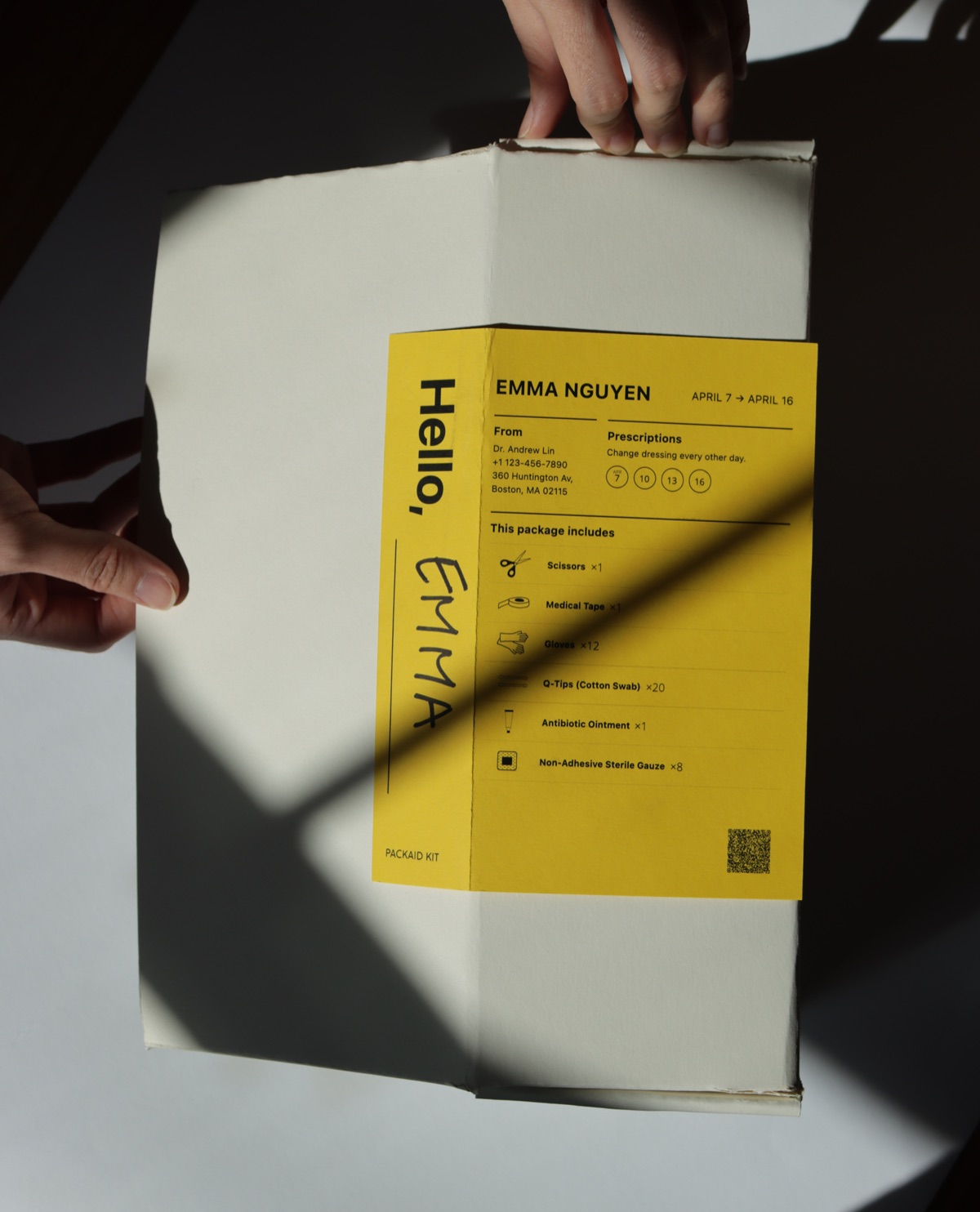
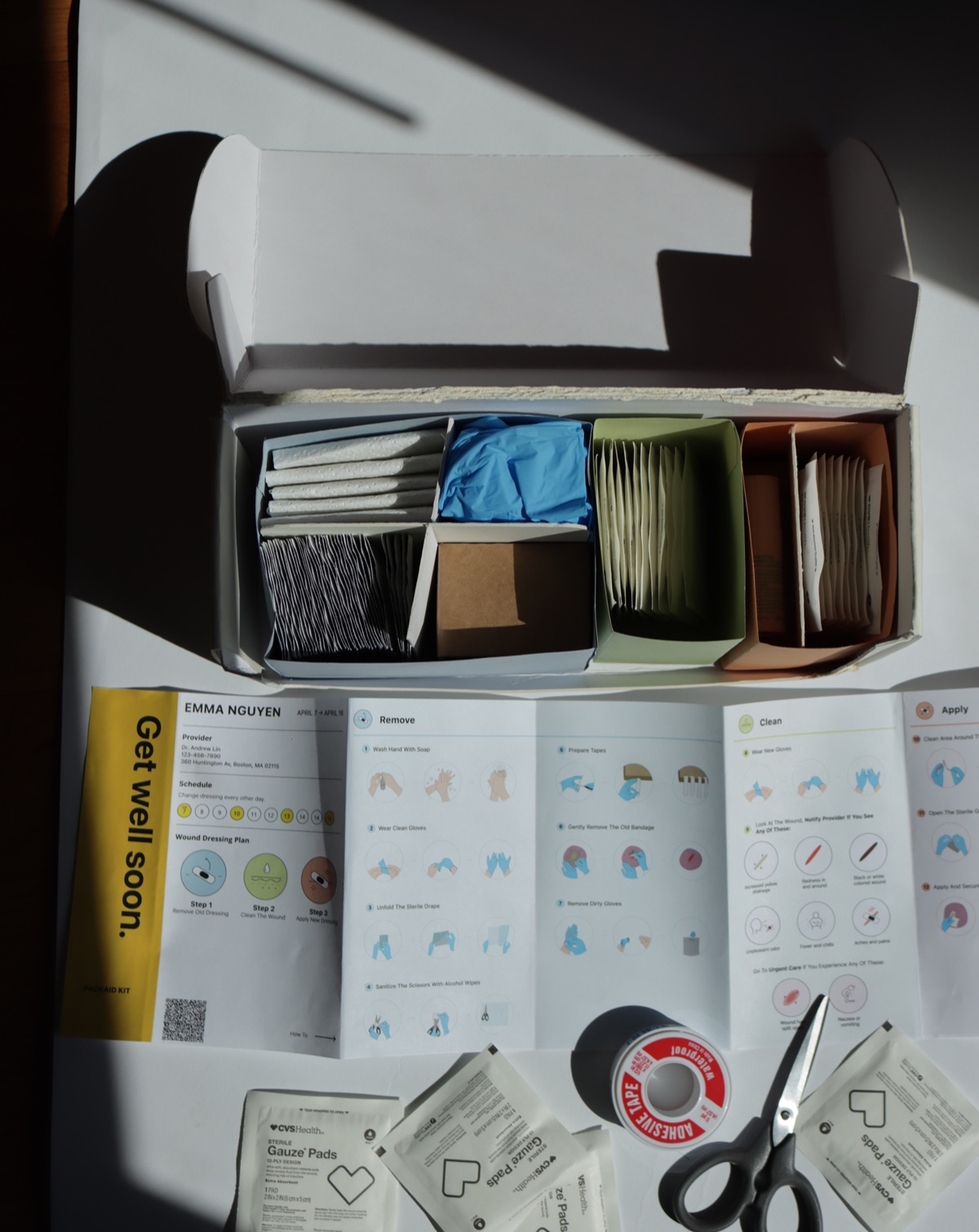
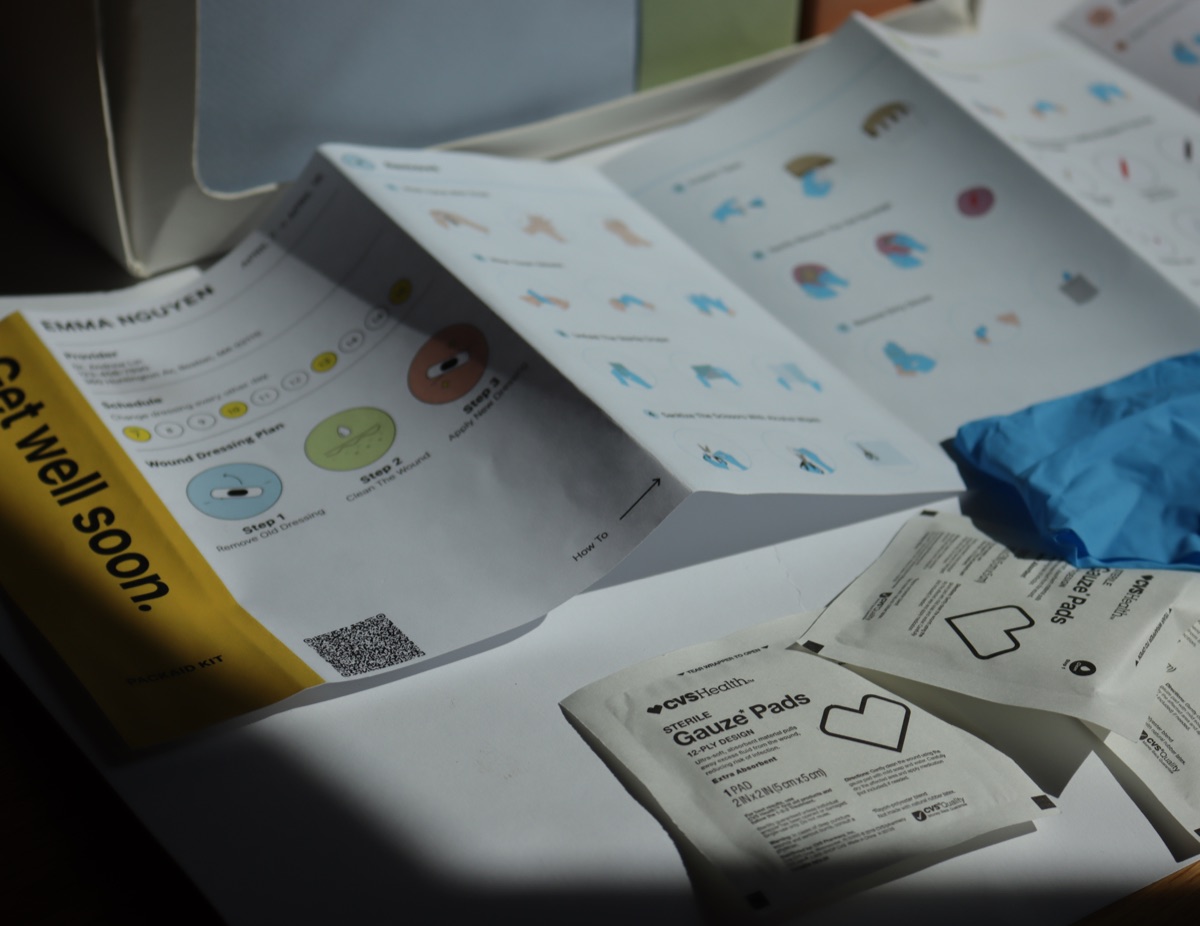
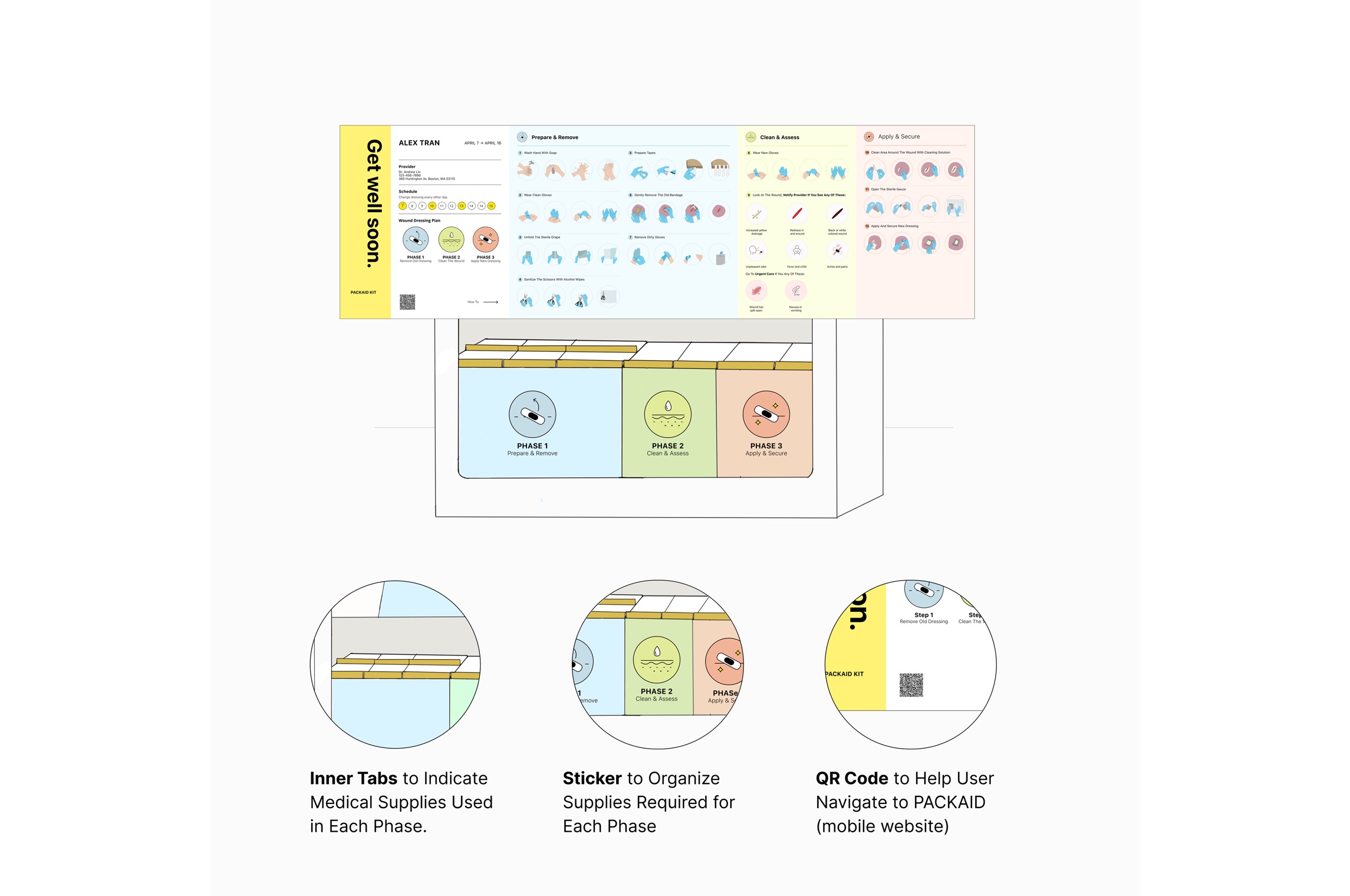
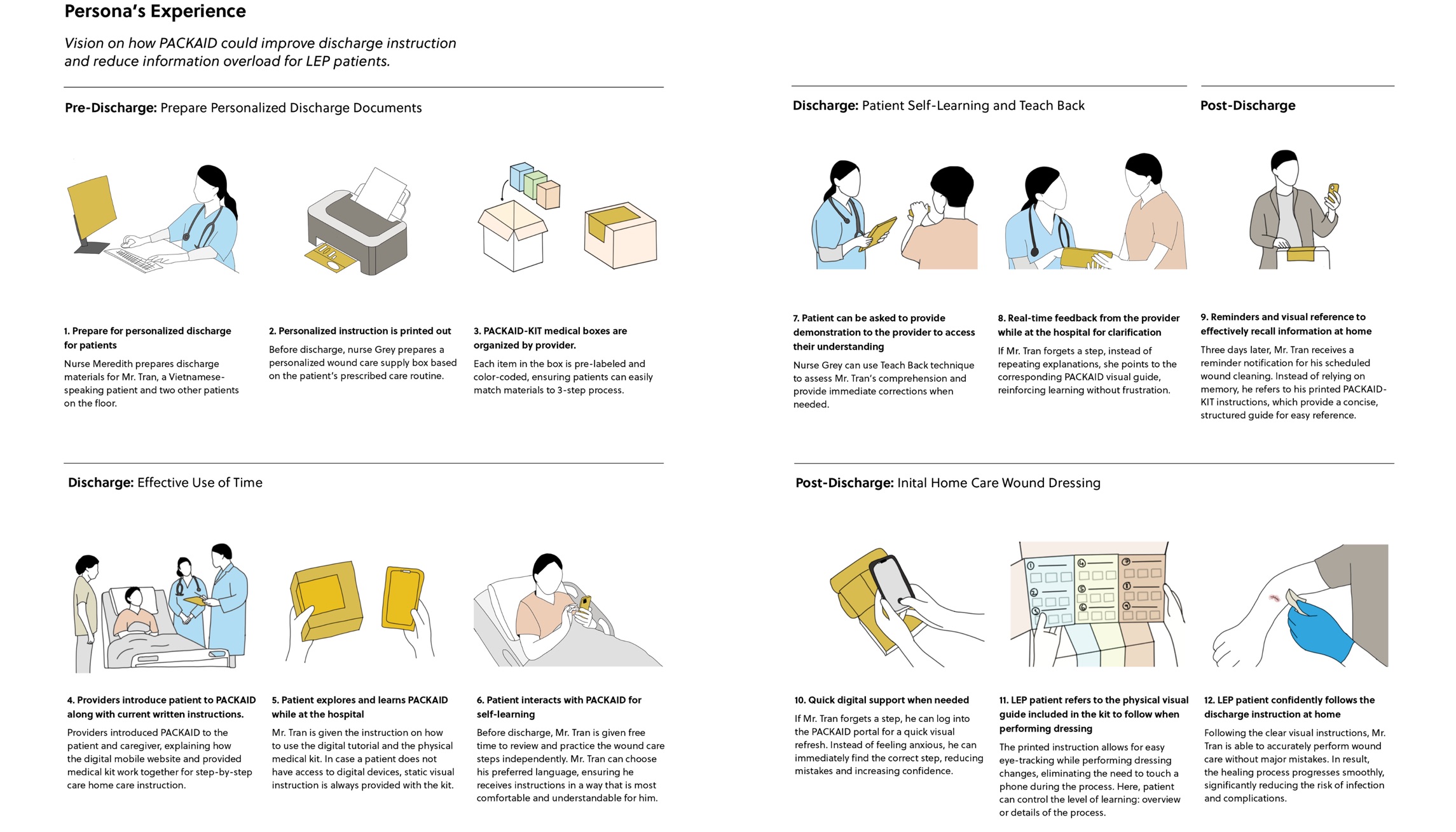
→ PACKAID provides a visual handbook and toolkit to help nurses give clear discharge instructions and ensure patient adherence.
The Problem
In urban-setting hospitals, where onsite-interpreters aren't always available, nurses often become the bridge between patients and care instructions. For patients with LEP, this can lead to gaps in understanding, delays in care, and increased stress for both parties. Numerous literature reviews address this ongoing challenge in healthcare: the systemic communication gap between healthcare providers and LEP patients during crucial discharge moments.
Only 74% of LEP patients received translated discharge instructions.
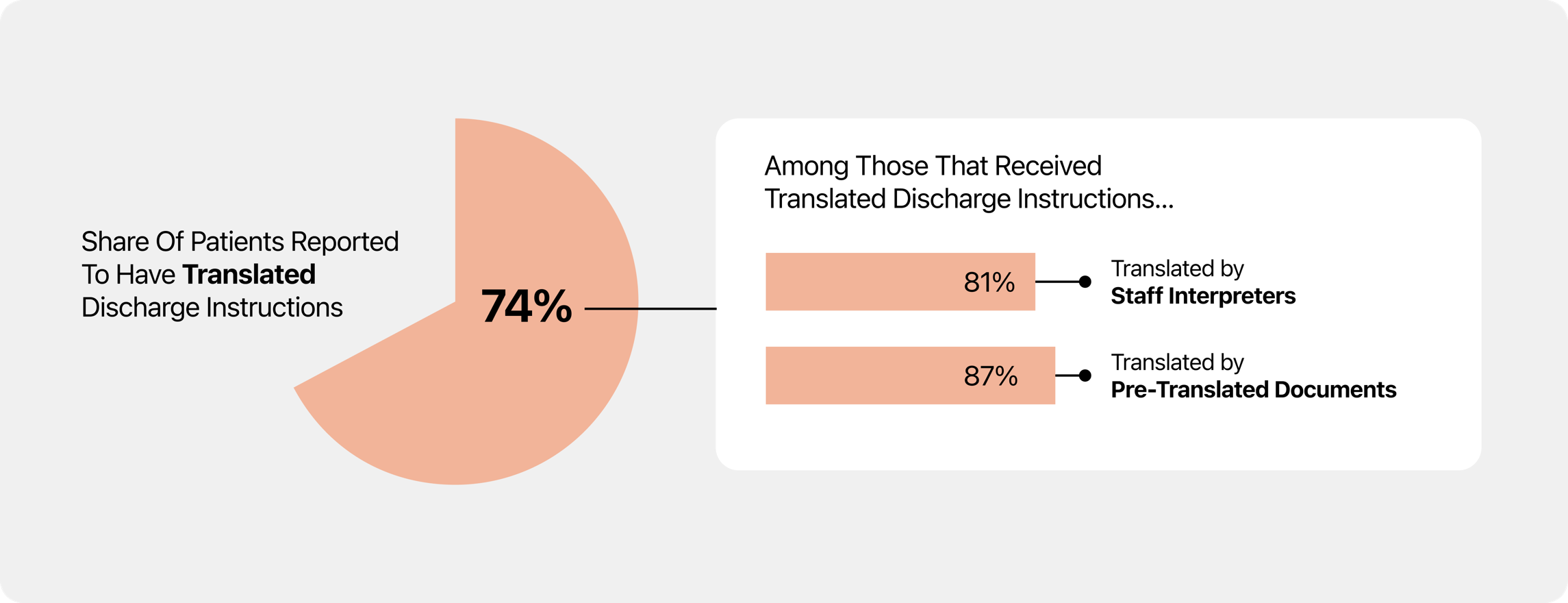
Source: Davis et al. (2019). Translating Discharge Instructions for Limited English-Proficient Families: Strategies and Barriers. Hospital Pediatrics, 9(10), 779–787.
LEP patients experience longer hospital stays, resulting in higher costs.
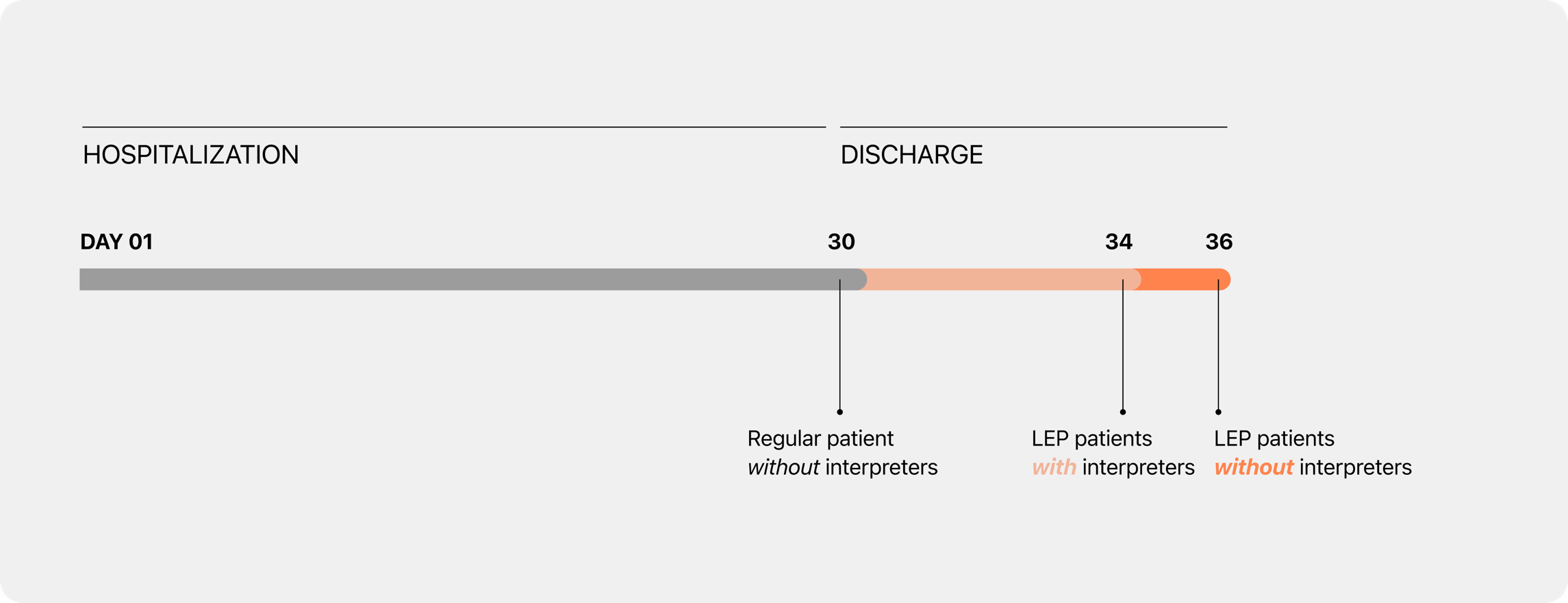
Source: Sliwinski, K., Kutney-Lee, A., McHugh, M. D., & Lasater, K. B. (2024). A Review of Disparities in Outcomes of Hospitalized Patients with Limited English Proficiency: The Importance of Nursing Resources. Journal of Health Care for the Poor and Underserved, 35(1), 359–374.
Traditional written discharge instructions fail for LEP patients most of the time.
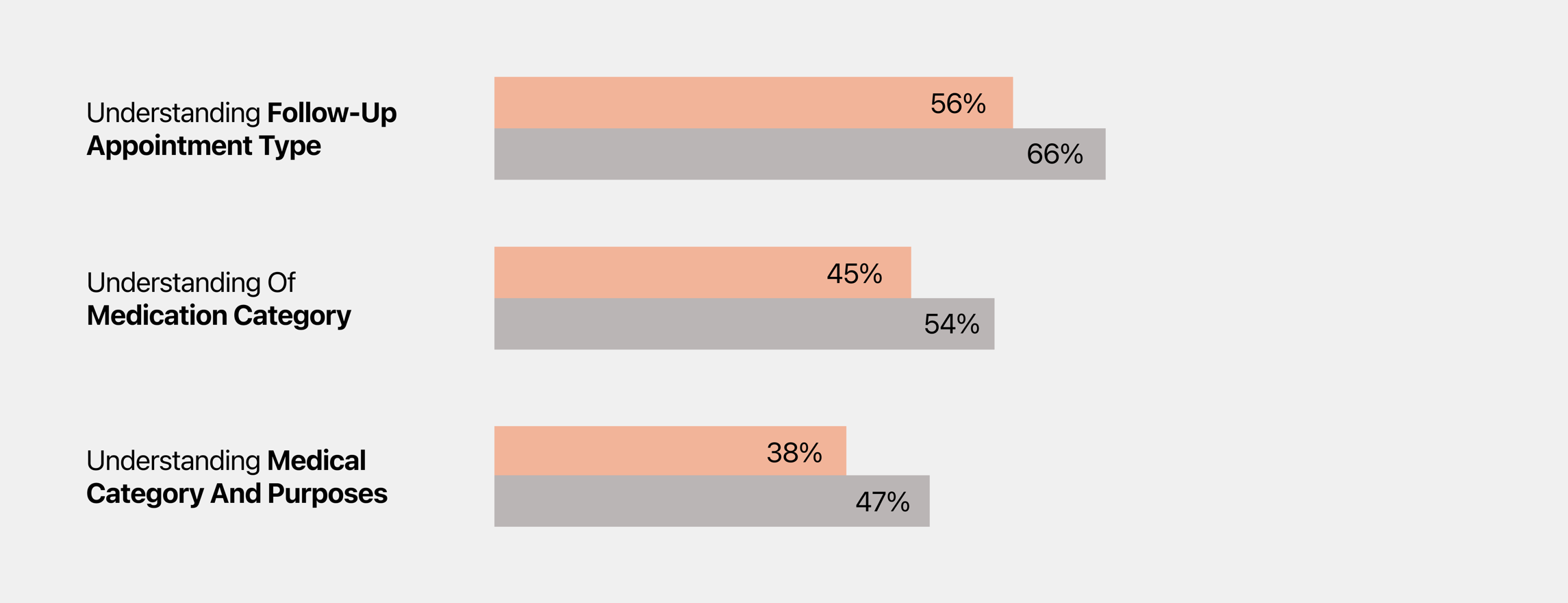
Source: Karliner et al. (2012). Language barriers and understanding of hospital discharge instructions. Medical Care.
Exploration
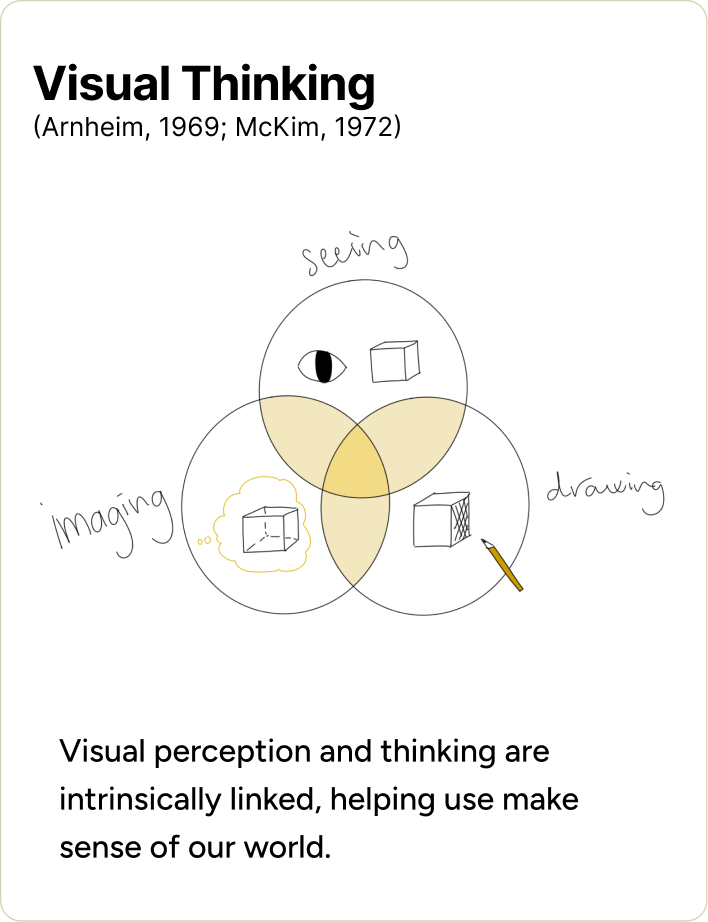
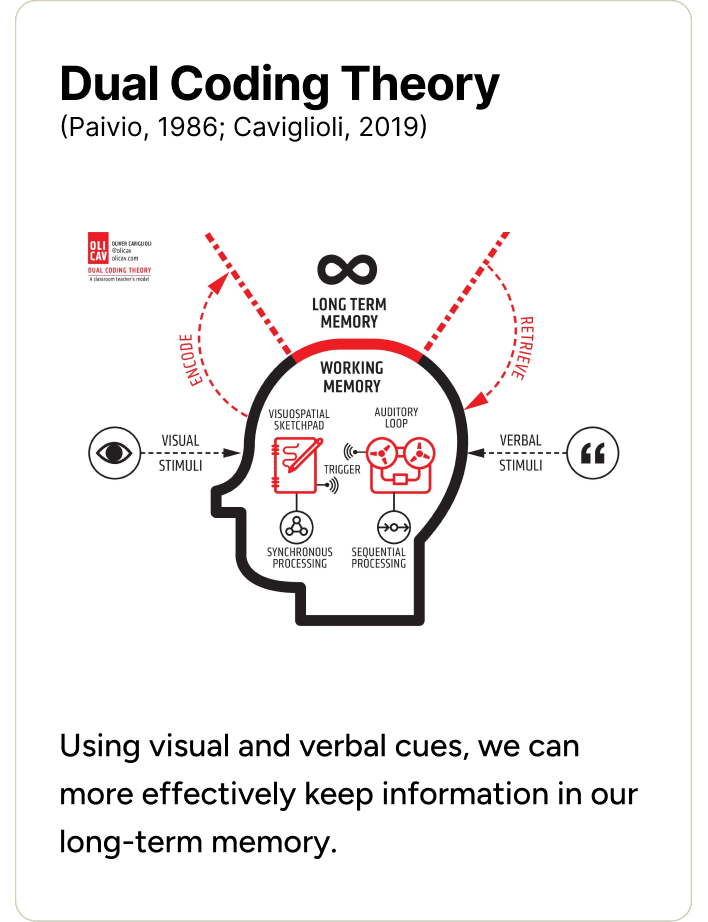
Visual supports are often used to simplify complex healthcare information, improving recall and decision-making for patients with low literacy, cognitive impairments, or language barriers (Doak et al., 1996). They are commonly used in aviation, emergency response, and neurodivergent education. For LEP patients, incorporating visuals into discharge instructions can boost recall, enhance care adherence, and reduce readmissions (Houts et al., 2006). Similarly, visual medication schedules improve treatment comprehension, resulting in a reported 30% increase in patient adherence (Machtinger et al., 2007).
Research Question
Minor wounds like cuts, burns, or bleeding frequently require urgent care visits, where proper care is crucial to prevent infection and promote healing (Singer et al., 2010). However, successful at-home recovery depends heavily on the patient's ability to follow instructions, a task that is particularly challenging for LEP patients managing surgical or traumatic wounds that require consistent self-care.
How might healthcare practitioners use visual aids to improve discharge instructions for Limited English Proficiency (LEP) adult patients, helping them confidently manage acute wound care at home?
Research Process
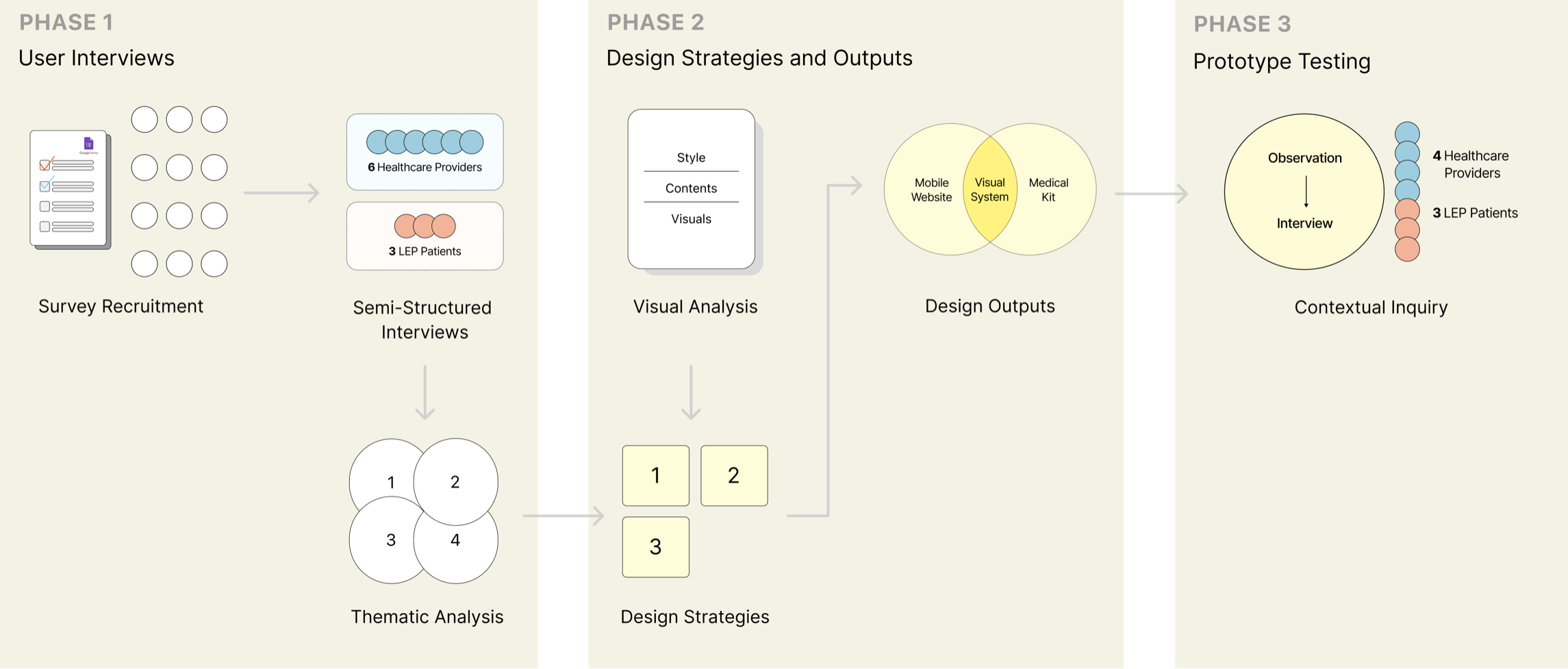
The study uses a three-phase qualitative method with nine participants—six healthcare practitioners and three LEP patients. Phase 1 involves semi-structured interviews to identify challenges in discharge instructions. Phase 2 develops design strategies into prototypes addressing user needs. Phase 3 tests prototypes with seven participants via contextual inquiry to evaluate usability and refine designs.
Insights
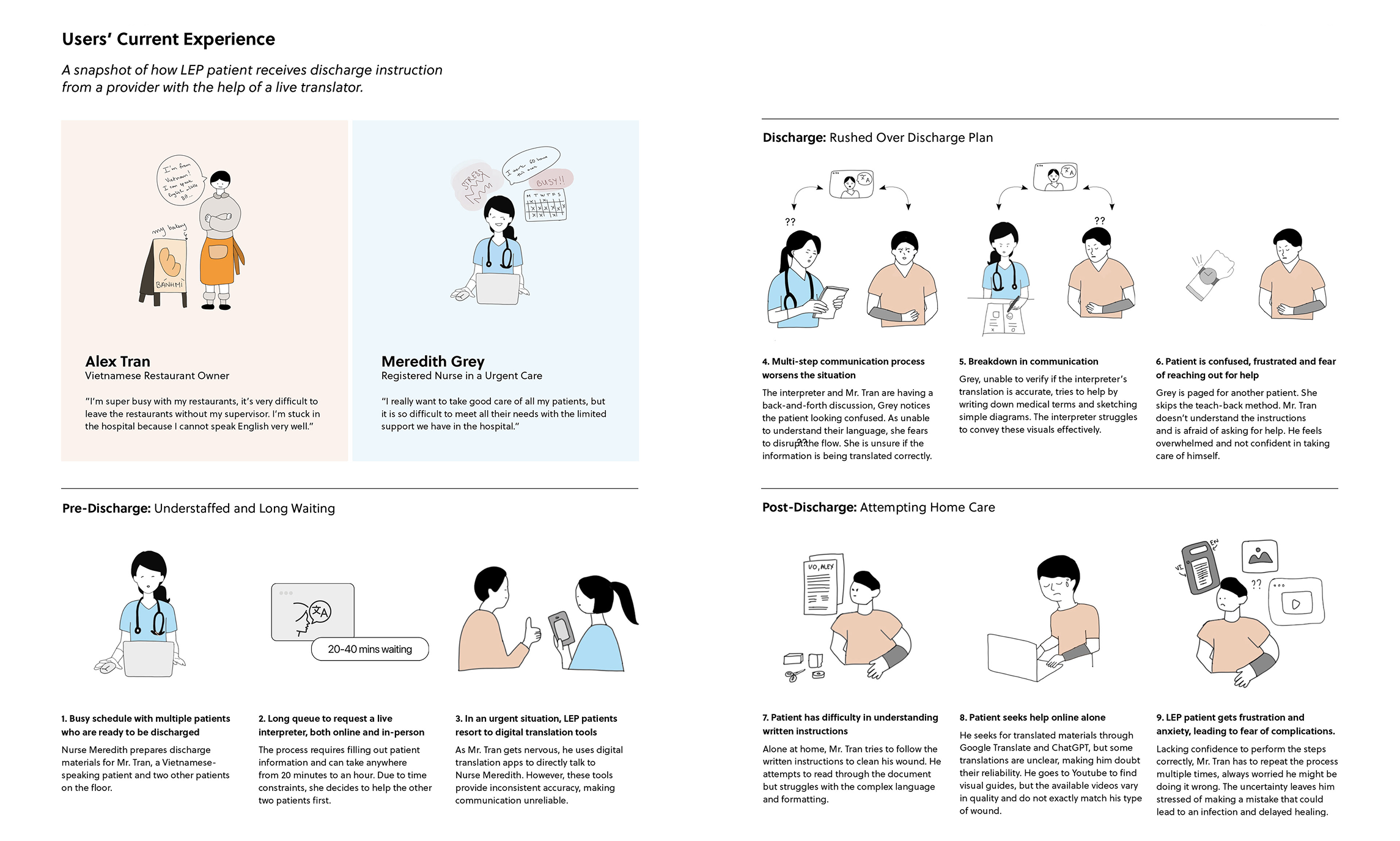
Design Strategies
→ For every step, there should be one instructional visual guide. Visual guide acts as live demonstration for practitioners to instruct patients.
→ Motion visuals aid explaining actions without information overload during high-stakes environments.
→ Digital visual tool supports multiple learning points: from initial instruction at the hospital to reviewing materials at home.
Prototype 1
User Testing
"It's very clear how to use the instructions. The step-by-step guide breaks down the process in an easy-to-understand manner." [HP6] "I like that the instruction isn't… like…big chunks of words. It's very precise. And I like the way that it's broken down into steps." [LEPP1] "Patients forget. Like, everybody forgets… once they go home, they might just forget it. So this is very helpful!" [HP5]
"For people with limited English proficiency like this is really great, because, 1st of all, it's in their language. And then, second of all, they can see a visual and also refer to their language." [HP4] "If my mom speaks Vietnamese and the daughter speaks English, they can just look at this and understand the same instruction in different languages." [LEPP1]
"I don't know, for example, voice operation… so that I can go next, next, and I don't have to touch the screen anymore when I am operating the processes." [LEPP1] "I'm wearing the gloves… I don't know if I should touch the screen." [LEPP2] "It's hard to touch the screen with gloves." [LEPP3]
"The only thing is, I don't quite know where to click. The button was just this little thing at the side. Maybe make it more visible." [LEPP3] "I'd love a really obvious scroll-down indicator… some people don't realize there's more information below." [HP5]
Prototype 2
Reflection
Not all injuries are visible. For LEP patients, language barriers serve as an invisible injury — an additional, often unrecognized burden layered on top of their medical condition. Unlike physical wounds that providers can assess directly, communication struggles remain unseen and frequently unspoken. User testing is a way to get closer to the root. The PACKAID Kit would not be recognized if I overlooked the importance of seeing and listening to the users testing the product. Resilience is the way to approach any design process.